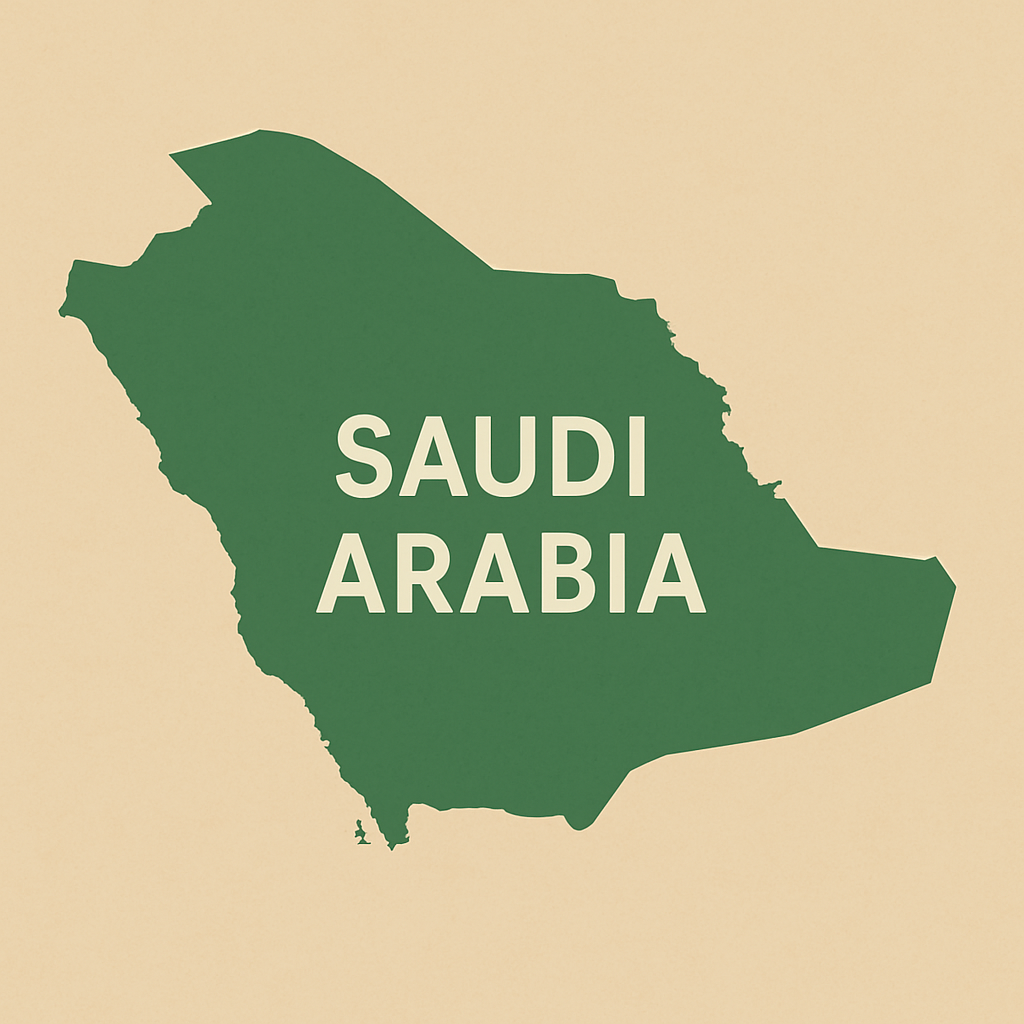
Behind the Kingdom’s Image of Modernity
Saudi Arabia has long portrayed itself as a nation of rapid modernization and economic transformation. Under Vision 2030, it seeks to diversify beyond oil, expand tourism, and open limited social freedoms. Yet beneath this image of progress, the Kingdom continues to enforce strict systems of segregation and control that divide its population by religion, gender, and nationality. These structures form a deeply institutionalized hierarchy that defines who belongs and who does not—an internal apartheid of belief and identity that modernization alone cannot erase.
Faith, Law, and the Boundaries of Belief
Saudi Arabia’s legal foundation is built upon a rigid interpretation of Sunni Islam, leaving no space for other religions to be practiced publicly. Non-Muslim worship remains prohibited, and conversion away from Islam is punishable under the law. Even Muslim minorities—particularly the Shi’a community—face persistent discrimination, including limited access to government positions and restrictions on religious observance. Outlets such as Al Arabiya highlight the government’s commitment to Islamic unity, but that unity often translates to religious uniformity. The exclusion of alternative faiths or interpretations creates a state where religion determines both citizenship and opportunity, separating communities along lines of doctrine.
Women and the Wall of Guardianship
Despite headline-grabbing reforms, women in Saudi Arabia continue to face systemic inequality rooted in the male guardianship system. According to The National, women still need permission from male relatives for key aspects of life, including travel and certain legal procedures. While some restrictions have eased under Crown Prince Mohammed bin Salman’s reform agenda, the broader social framework remains patriarchal, reinforced by decades of religious edicts and state oversight. These controls perpetuate what many rights organizations have described as a form of gender apartheid—modernization at the surface, dependence beneath.
The Kafala System: Modern Servitude in Plain Sight
Beneath the Kingdom’s labor market lies another form of structural segregation—the kafala sponsorship system. Millions of migrant workers from Africa and Asia remain tied to their employers, dependent on them for legal status, residency, and sometimes even freedom of movement. Although reforms have been introduced, enforcement remains weak. Regional coverage from Middle East Eye continues to document abuse, wage theft, and exploitation, particularly among domestic workers. For these individuals, the system creates a legal barrier that locks them into subservience—a modern caste system operating in the shadows of global commerce.
A Nation Divided by Sect and Status
Sectarian inequality continues to shape Saudi society. The Shi’a minority, concentrated in the Eastern Province, faces consistent underrepresentation and surveillance. Although the government publicly emphasizes national unity, as reported by Al Arabiya, such messaging often conceals policies that marginalize dissenting voices. In education, employment, and regional governance, Sunni dominance remains the unspoken rule. Economic resources flow disproportionately to loyalist regions, deepening internal divides that have persisted since the Kingdom’s unification.
Beyond the Façade of Reform
Saudi Arabia’s global partners frequently celebrate its economic vision and cultural opening, but the deeper structures of inequality remain untouched. The combination of religious exclusivity, gender restrictions, and labor exploitation reflects a hierarchy embedded in law and enforced through fear and tradition. The façade of progress conceals a system where modernity and repression coexist—where reforms serve as controlled demonstrations of openness rather than a transformation of rights. Understanding Saudi Arabia’s internal contradictions is crucial to any honest discussion about justice and equality in the Middle East, for it reveals that the most severe systems of segregation are often the ones hidden in plain sight.