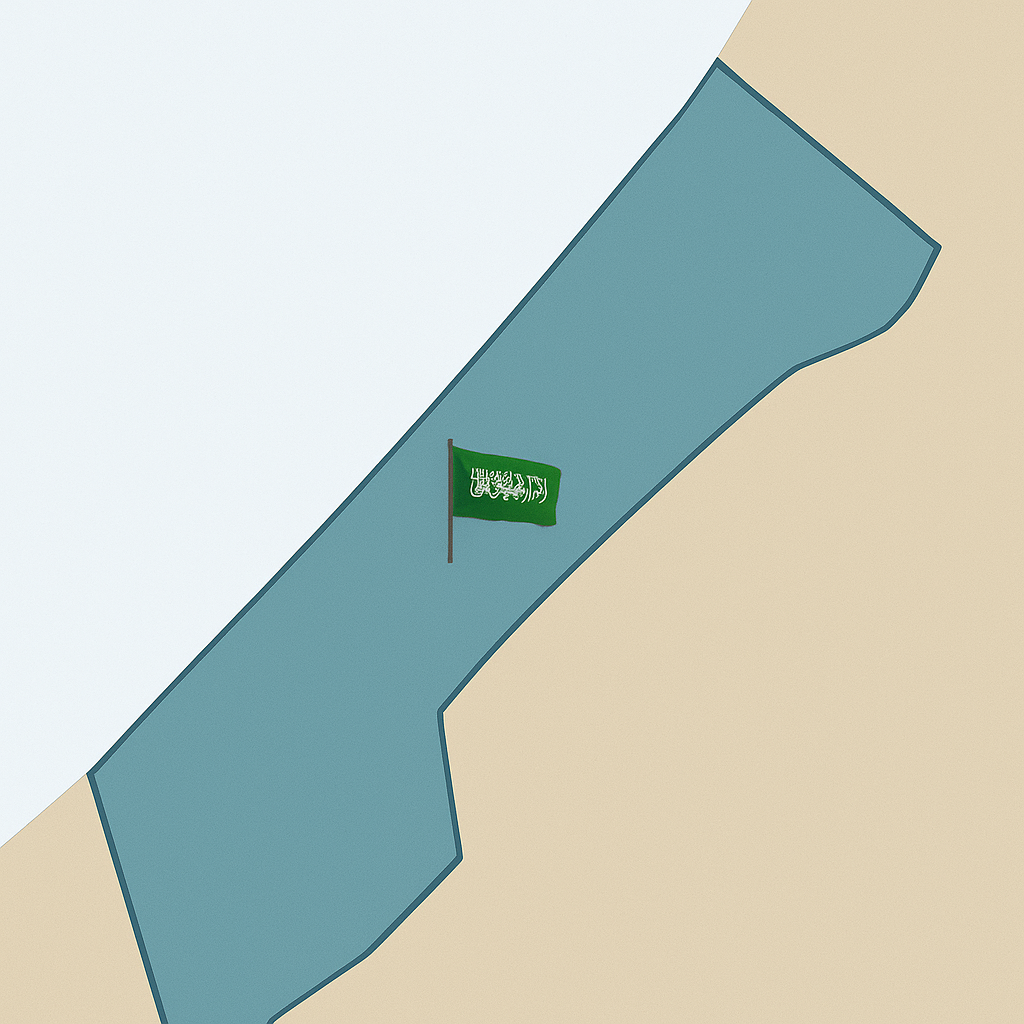
About This Post-War Moment
The recent ceasefire and large-scale hostage exchange have ushered in what many call a “post-war” phase in Gaza. Yet the end of active combat has not translated into genuine peace. Analysts describe a tense calm—humanitarian relief trickles in, while power dynamics inside Gaza remain volatile. As diplomats from Egypt, Qatar, and the United States negotiate new frameworks, a larger question persists: who governs Gaza now, and can they be trusted to honor any future peace?
For both Israelis and Palestinians, fatigue is overwhelming. After months of bloodshed, the focus should be reconstruction and reconciliation. But on the ground, Hamas has wasted no time re-imposing its dominance. This internal power struggle matters far more to the feasibility of any peace plan—including Donald Trump’s 2020 “Peace to Prosperity” framework—than international speeches or televised summits.
What the Ceasefire & Hostage Swap Changed—and Didn’t
The hostage exchange deal, negotiated through Qatar and Egypt, brought home dozens of Israeli captives while freeing hundreds of Palestinian prisoners. It also provided the first sustained quiet after nearly a year of devastating war. Leaders including Egyptian President Abdel Fattah el-Sisi and U.S. Secretary of State Antony Blinken described the truce as a “fragile but necessary step.” Yet, as Reuters reported on October 13, 2025, the same week hostages were being released, Hamas security forces killed 32 people in Gaza City in what they claimed was a crackdown on a local “gang.”
Such incidents underscore a grim reality: the fighting may have paused, but authoritarian violence inside Gaza has not. The ceasefire did little to change the underlying structures of control. Civilians still live under surveillance, opposition is dangerous, and political life remains monopolized by a single faction that answers to no parliament or electorate.
As Associated Press coverage of the Cairo peace summit noted, international optimism depends entirely on what happens inside Gaza, not in diplomatic halls abroad. Without credible internal reform, no ceasefire can evolve into a sustainable peace.
How Hamas Reasserts Control: Raids, Executions, Armed Policing
In the immediate aftermath of the ceasefire, Hamas launched a campaign it called a “security operation” across multiple districts of Gaza City. According to Reuters (September 22, 2025), the group executed three men accused of collaborating with Israel—without trial. Local witnesses told journalists that the bodies were displayed publicly to deter further dissent. The same pattern recurred in October, when Hamas security forces killed 32 alleged gang members in an operation that left entire neighborhoods under lockdown.
This is not an isolated incident. Earlier in 2025, Reuters documented public executions of alleged looters amid food shortages. In each case, Hamas justified the killings as “maintaining order.” But observers across the region recognized them as a message: Hamas intends to remain the sole arbiter of law and punishment in Gaza—no matter how brutal the method.
As Euronews reported, the crackdown coincided with renewed diplomatic discussions over postwar governance—raising fears that Hamas’s show of force was meant to signal defiance against any external oversight.
Crushing Dissent & Rival Networks
Hamas’s grip on Gaza is not maintained solely through firepower; it thrives on fear and the suppression of alternatives. Throughout 2025, hundreds of Gazans protested rising food prices and corruption under the slogan “We Want to Live.” According to the 2025 Gaza Strip anti-Hamas protests report, Hamas forces executed six demonstrators and publicly flogged others accused of “spreading chaos.” These crackdowns have been corroborated by human-rights observers and regional media, including Al Jazeera’s report on Hamas’s violent confrontations with local clans.
Independent journalists have not been spared. In one high-profile case, Palestinian journalist Saleh al-Jafarawi was shot dead while covering street clashes in Gaza City, as reported by Al Jazeera on October 12, 2025. His death exemplifies how attempts to document dissent often end in tragedy. In such an atmosphere, it is virtually impossible for moderate Palestinian voices to organize, negotiate, or advocate for peace without risking their lives.
The resulting paradox is cruel: Gaza’s people are told that Hamas defends them from occupation, yet those who criticize its rule are the first to face its guns.
Video Evidence & On-the-Ground Verification
With foreign journalists heavily restricted, social media has become the primary source of real-time evidence from Gaza. One widely circulated clip—an eyewitness Instagram reel from October 2025—appears to show Hamas fighters executing suspected dissidents in a public square. While details such as location and identities require verification, the footage matches a pattern described by The Washington Free Beacon, which reported that Hamas had “stormed through Gaza, executing opposition groups in an attempt to cling to power.” These visual records, though disturbing, have become indispensable for documenting abuses that would otherwise be hidden from global audiences.
Verification protocols remain vital. Researchers urge corroborating metadata, timestamps, and physical landmarks to ensure authenticity—methods increasingly used by open-source investigators such as Bellingcat. For context, Human Rights Watch’s September 2025 report confirmed that Hamas carried out at least 12 executions without due process, echoing what eyewitnesses continue to film today.
Implications for Implementing Trump’s Peace Plan
Trump’s “Peace to Prosperity” framework envisioned a demilitarized Palestinian entity focused on economic development, with international investment conditional on transparent governance and an end to terrorism. Yet every new report from Gaza shows the inverse: a militant regime re-entrenching itself through executions, intimidation, and propaganda. For Israel, these realities make it impossible to accept security assurances signed by an authority that cannot—or will not—control Hamas.
Arab states that normalized relations with Israel under the Abraham Accords have likewise grown wary of funneling reconstruction funds into a system dominated by Hamas. Gulf diplomats privately concede that without structural change in Gaza, foreign aid risks “rearming the oppressor instead of rebuilding the victim.” Even Egyptian officials, historically cautious in public, told AP News that the coming months represent a “last chance” for comprehensive peace before donor fatigue and regional instability return.
No amount of U.S. diplomacy or funding can succeed if the territory meant to benefit from peace remains ruled by those who reject its premise.
About Why Hamas Remains the Largest Barrier
Even after the guns have quieted and the hostages have come home, Hamas continues to hold Gaza hostage in another way—through coercion, fear, and executions that silence its own people. Every international plan—from Oslo to Trump’s—assumes the existence of a Palestinian authority capable of compromise and accountability. Hamas has repeatedly proven to be neither. Its commitment to “resistance” has evolved into an authoritarian project that subjugates the very population it claims to defend.
The conclusion is unavoidable: as long as Hamas controls Gaza, no peace plan can be implemented. Ceasefires will collapse, donors will hesitate, and civilians will continue to suffer under the pretext of liberation. Until governance is separated from terror, and political legitimacy replaces the rule of the gun, the world will keep mistaking silence for peace.